.jpg?width=960&length=960&name=heart%20health%20screening%20(1).jpg)
The five signs that you need a heart health screening are shortness of breath during normal activities, frequent fatigue or loss of energy, chest discomfort/pressure or unusual upper-body pain, swelling in the lower body, and dizziness, lightheadedness, or irregular heartbeats.
The World Health Organization (WHO) says that cardiovascular diseases are the leading cause of death globally. They often cause premature deaths (under the age of 70), so it's important to practice good habits when it comes to aging and heart care. That way, you can enjoy your golden years for as long as possible.
One way for seniors in New Bern, NC, to do so is to get a heart health screening from their doctors. This is especially important if you're experiencing warning signs, and you shouldn't ignore them.
What Are the Signs You Should Get Your Heart Checked?
Knowing the key cardiovascular warning signs can literally save your life. If you notice any of the below, then it may be time to make an appointment.
1. Shortness of Breath During Normal Activities
If you live in an assisted living community, then you might have a great time participating in daily life. These are designed specifically for older adults, so you shouldn't struggle.
If you feel breathless while doing simple, everyday tasks (such as walking across the room, getting dressed, or doing light housework), then it may be a sign of early heart trouble. It can signify that your heart isn't pumping efficiently, which then causes oxygen levels to drop. Other issues may be:
- Heart failure
- Blocked arteries
- Heart valve problems
2. Frequent Fatigue or Loss of Energy
Feeling tired occasionally is normal, but if it's persistent or unusual, then your heart may be struggling. Your muscles and organs may be receiving less oxygen since your heart can't pump enough blood, which then leads to exhaustion.
You might notice that you tire easily and quickly during activities you used to handle easily, such as:
- Shopping
- Cooking
- Light exercise
Don't brush it off as regular aging or stress. If the fatigue appears suddenly, worsens over time, or comes with shortness of breath, then you might need a heart screening.
3. Chest Discomfort, Pressure, or Unusual Upper-Body Pain
Many seniors may experience:
- Pressure
- Tightness
- Fullness
- Burning
Also, the discomfort can appear in your arms, shoulders, back, neck, or jaw instead of the chest.
The symptoms may not be constant either. They can come and go, especially during activity or emotional stress. These sensations can be a sign of reduced blood flow to the heart or developing blockages in the arteries.
4. Swelling in the Legs, Ankles, or Feet
When the heart becomes weaker, blood can back up in the veins, and this can cause fluid to build up in surrounding tissues. As a result, you may experience swelling in the lower body, especially in the ankles, feet, and legs. You might notice your shoes feeling tighter, socks leaving deep marks, or legs looking puffy by the end of the day.
Heart-related swelling is often accompanied by:
- Weight gain
- Fatigue
- Shortness of breath
5. Dizziness, Lightheadedness, or Irregular Heartbeats
If you feel dizzy, lightheaded, or have episodes of faintness, then your brain may not be getting enough blood due to heart rhythm problems or reduced heart function. You may also notice:
- Heart palpitations
- Fluttering
- Racing or unusually slow heartbeat
What Tests Are Done to Check Heart Health?
If you've noticed the above early signs of heart issues, then you need to book an appointment with your doctor. You should already be getting senior wellness checks anyway.
The preventive screenings for seniors your doctor uses will depend on what symptoms and risk factors you have. The most common one is an electrocardiogram (EKG or ECG), which checks your heart's rhythm. It can show signs of past or current heart attacks, too.
They may also order blood tests. These can detect markers of:
- Heart damage
- Cholesterol levels
- Inflammation
Another test is the echocardiogram. This uses an ultrasound to see how well your heart pumps and how its valves are working.
Other possible tests your doctor may order are:
- Stress test
- CT scan
- Cardiac MRI
- Coronary angiography
Frequently Asked Questions
What Is the 7-Second Heart Test?
The 7-second heart test is a simple and informal self-check that you can do at home.
To do it, take around seven seconds to feel your pulse by placing two fingers on your wrist or neck. Notice whether it feels steady and regular, or if it seems to skip, flutter, or race.
This isn't a medical test and can't diagnose heart disease, but it can definitely serve as an early warning sign.
How to Check Your Heart Health at Home?
What's great is that you can check your heart health at home by paying attention to both measurements and daily symptoms.
One of the most important things you can do is regularly check your blood pressure. High blood pressure often has no symptoms, but it can greatly increase your risk of a heart attack.
You should also monitor your heart rate at rest. That way, you can identify irregular or unusually fast or slow rhythms.
Keeping track of sudden weight gain can also help you detect fluid retention, which may indicate heart problems.
How to Avoid Silent Heart Attacks?
To avoid silent heart attacks, you should manage major risk factors. This can be done by:
- Keeping blood pressure, cholesterol, and blood sugar under control
- Taking all prescribed medications exactly as directed
- Staying physically active
- Eating a heart-healthy diet
- Refusing to ignore vague symptoms
- Booking regular checkups and heart tests
Get Heart Health Screening to Be Proactive
Because heart disease is the leading cause of death in the world, it's crucial that you take care of your cardiovascular health. Be vigilant about the warning signs we've given you in this article, and get a heart health screening if you notice them.
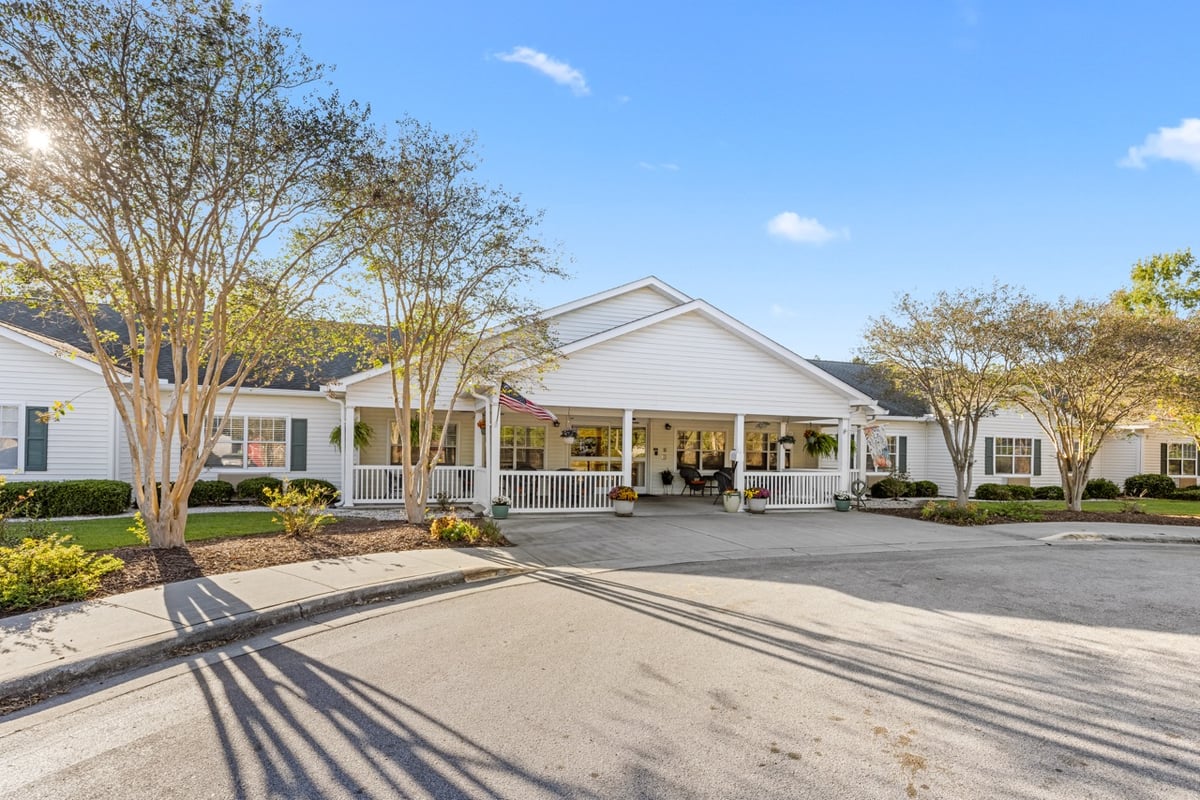
At Home Place of New Bern, we have an activity center and a game room where residents can stay active and engaged, resulting in better overall health. Contact us today if you'd like to schedule a tour of a senior living community in New Bern, NC.